
Evidence for a Foster City Resident Lookup
Choose a record by what it confirms. A property record can tie a person to assessed ownership or a tax mailing destination. A deed can show a party to a transfer. A court index can show a public case role. A vital record can establish an event subject to eligibility rules. A business or license file can show a public role or address of record. None is a complete resident list.
| Record | What it confirms | Where | Access |
|---|---|---|---|
| Assessor and parcel | Assessed ownership, APN, tax mailing clue | San Mateo ACRE | Public roll and map tools |
| Recorded deed index | Named party and property transaction | County Recorder | Free index, image by order or terminal |
| Court index | Party, case number, type, dates, docket events | San Mateo Superior Court | Public cases only; file request may be needed |
| Vital record | Birth, death, marriage, or divorce event | ACRE or CDPH-VR | Authorized or informational routes |
| Business or license | Entity, agent, license, or public role | SOS or DCA | Free search; some filings cost extra |
The right result is the one whose scope matches the question. A public file can prove a role without proving a home, and a directory clue can suggest a date without proving that a person stayed.
San Mateo court access information is shown here as a starting point for the separate local case systems.
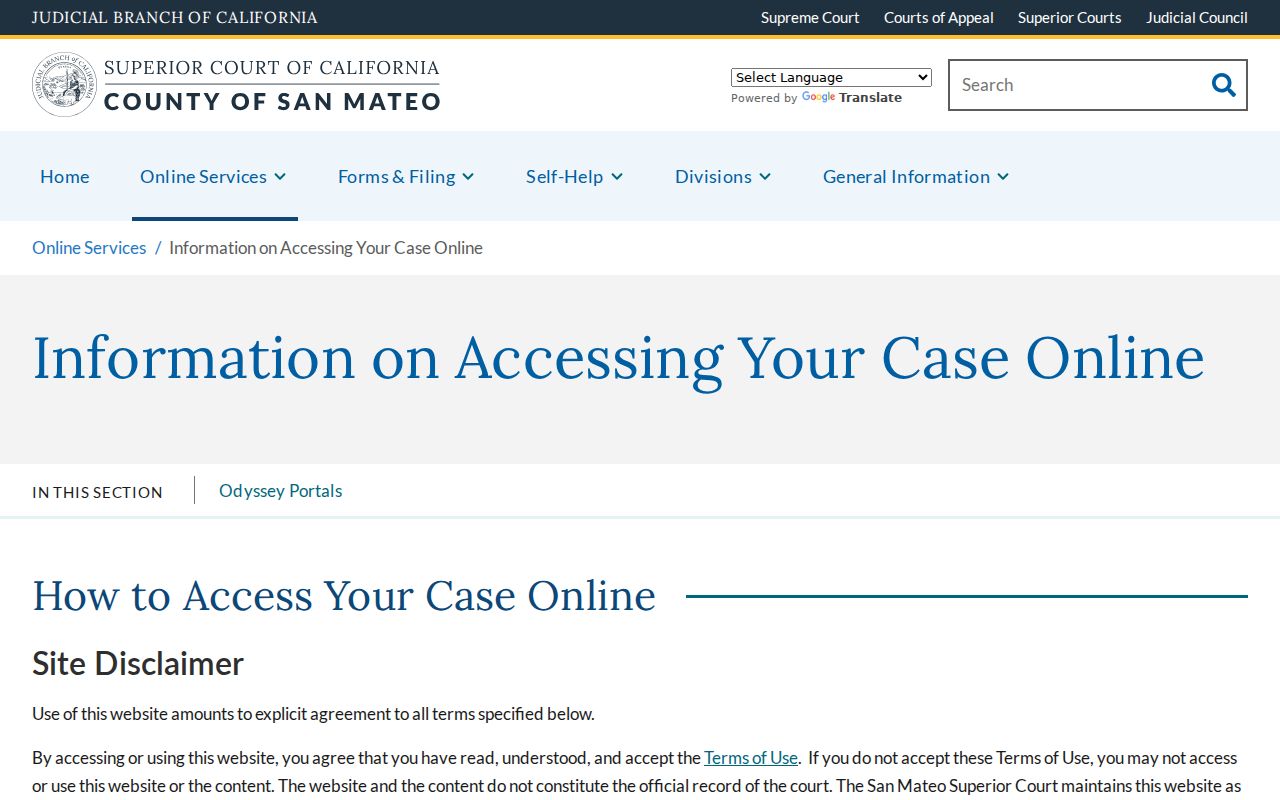
Read the case type and access limit before treating a court result as evidence about a named person.
Name to Address: Foster City Official Sources
When the starting point is a name, normalize spelling, initials, hyphenation, and known dates. Search the assessor or parcel tools for an ownership clue, then use the Recorder index for the deed or lien trail. California bizfile and Department of Consumer Affairs records can add a public business or professional role. A voter-status form is usable by the voter checking their own record, not as a name-to-address directory.
When the starting point is an old address, reverse the order. Establish the APN, find a transfer deed, identify the seller, and then search later deeds, business files, probate, obituaries, or dated directories. Do not infer that a deed's return address is where a seller moved. A resident lookup needs two independent facts, such as a middle initial plus an APN or a court role plus a dated address.
The ACRE assessor tools provide the property starting point, while the grantor-grantee index supplies the recorded party trail.
Keep a source date beside every result. Live permit status, licensing, custody, and court data can change.
Avoiding the Foster City Same-Name Trap
A common name plus a ZIP code is not enough. Compare the courthouse, filing date, party role, middle name or initial, parcel description, business number, probate relationship, or a directory address. Look for a second record that was created by a different custodian. If two records disagree, keep both possibilities open until the source record resolves the conflict.
The court index is especially easy to overread. It documents a case, not character, residence, or a complete life history. A permit names project contacts. A license shows an address of record. A business filing may show an agent who represents an entity. Each can help separate two people, but none should be stretched beyond its field set.
The Odyssey public portal can provide a register of actions for nonconfidential, nonsealed matters.
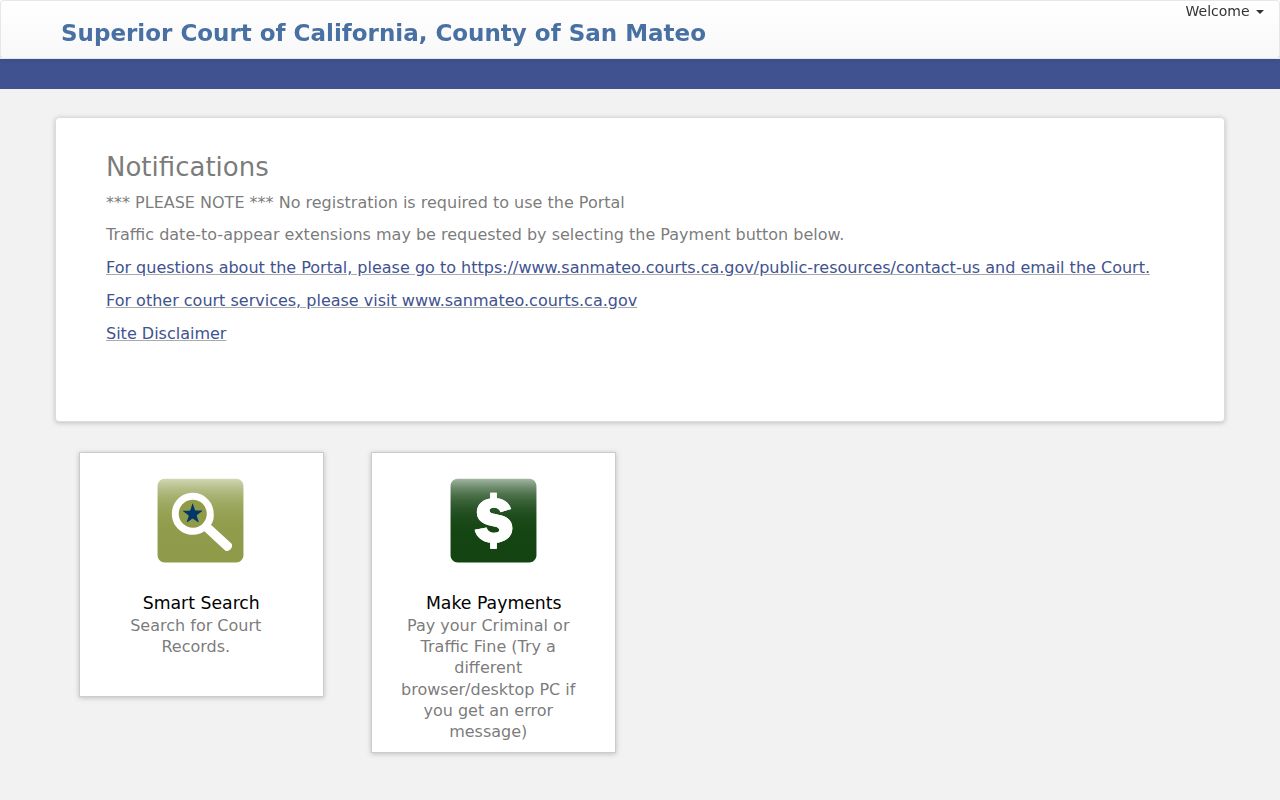
Use a case number, filing date, and party type to distinguish a plausible match from a name-only hit.
Verification rule. Before connecting a person to a Foster City address, match at least two independent facts and preserve the date and custodian for each.
San Mateo Court Searches for Foster City
San Mateo Superior Court's MIDX index separates appeals, civil, criminal, family, probate, and small claims. The Person Search uses first and last names with at least two characters in each. Case Number Search needs at least five alphanumeric characters. Filing Date Search accepts a maximum five-calendar-day range. The separate Odyssey portal adds registers of actions for public, nonsealed cases.
The San Mateo MIDX search is the public party-index route.
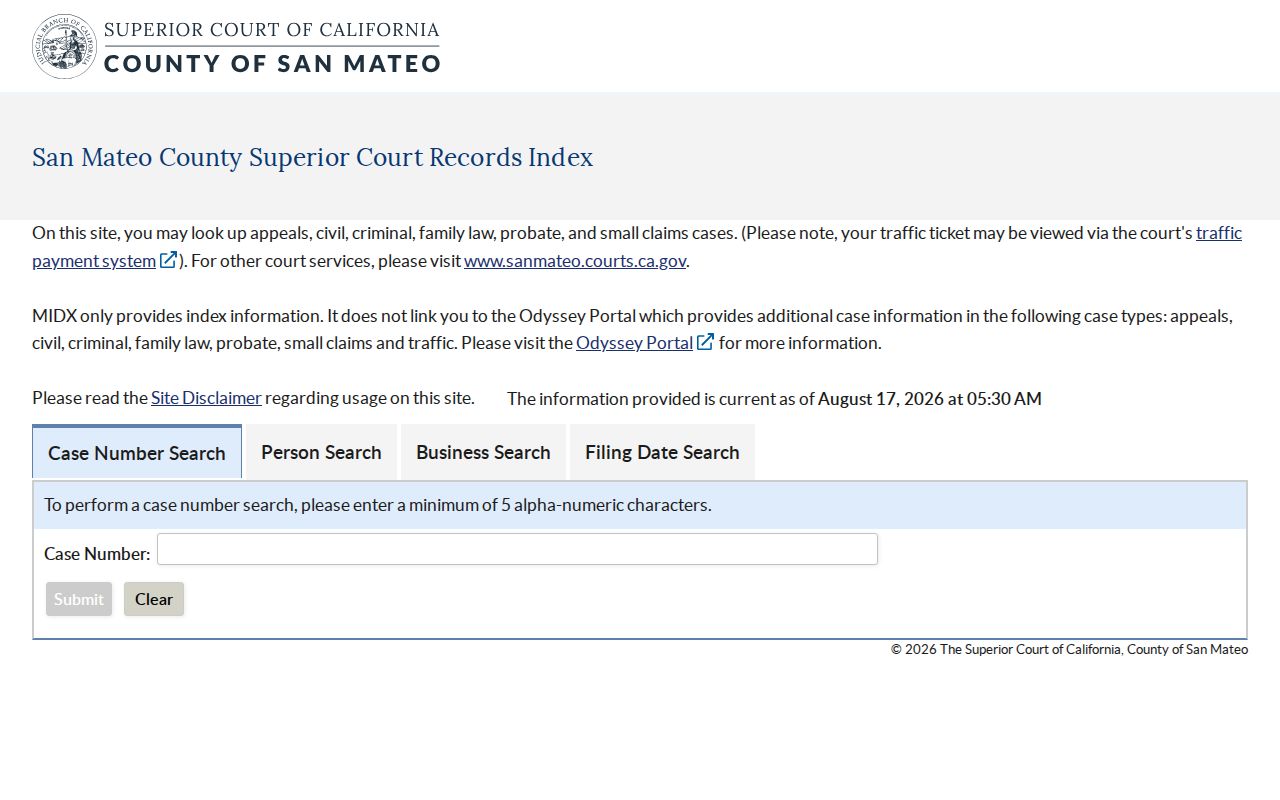
Typical result fields include case number, case name, filing date, party and party type, and the source division. Docket events and hearings may appear through the relevant module.
The court's Odyssey explanation describes the public portal and its limits.
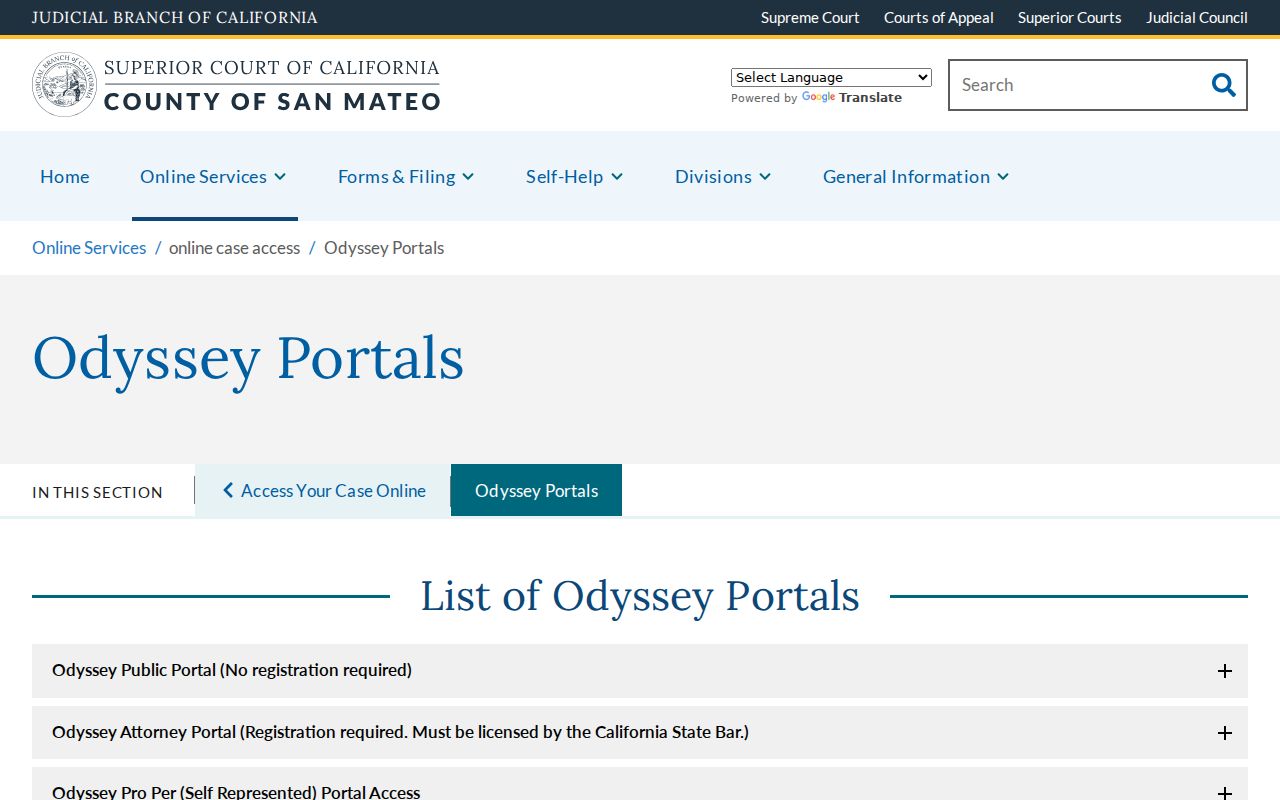
Adoption, juvenile, mental-health, sealed, and confidential matters are not open through the public search. For a copy, Records Management asks for the case number, parties, approximate filing date, and document description. The mail route goes to 400 County Center, first floor, Room A, Redwood City, with a response target of 30 days and no research service.
The court lists a $0.50 per-side copy charge, a $15 search taking more than ten minutes, and a $10 off-site retrieval fee. Certification figures can conflict across pages, so confirm the current charge before mailing payment.
The court's mail-copy instructions show the information needed for a records request.
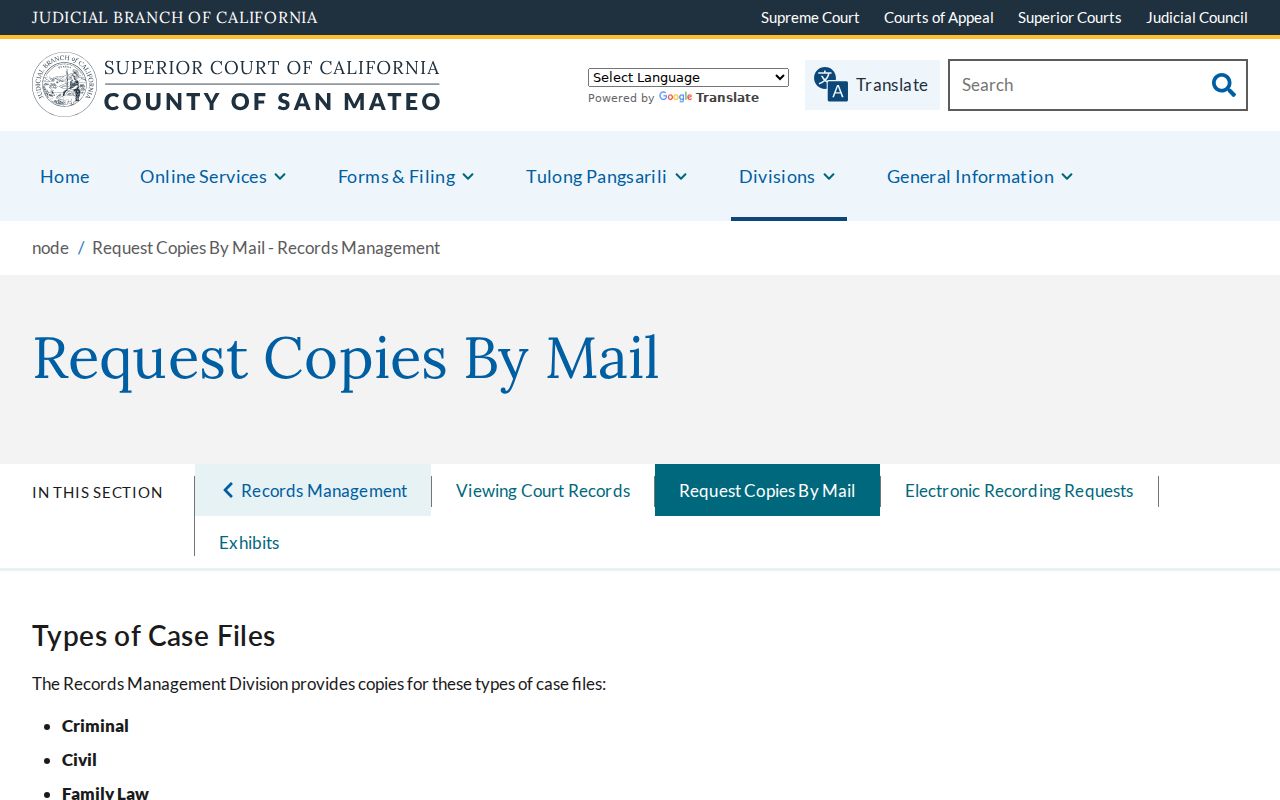
A copy request needs a case number and document description because Records Management does not conduct open-ended research.
PACER is the separate federal route for Northern District of California cases.
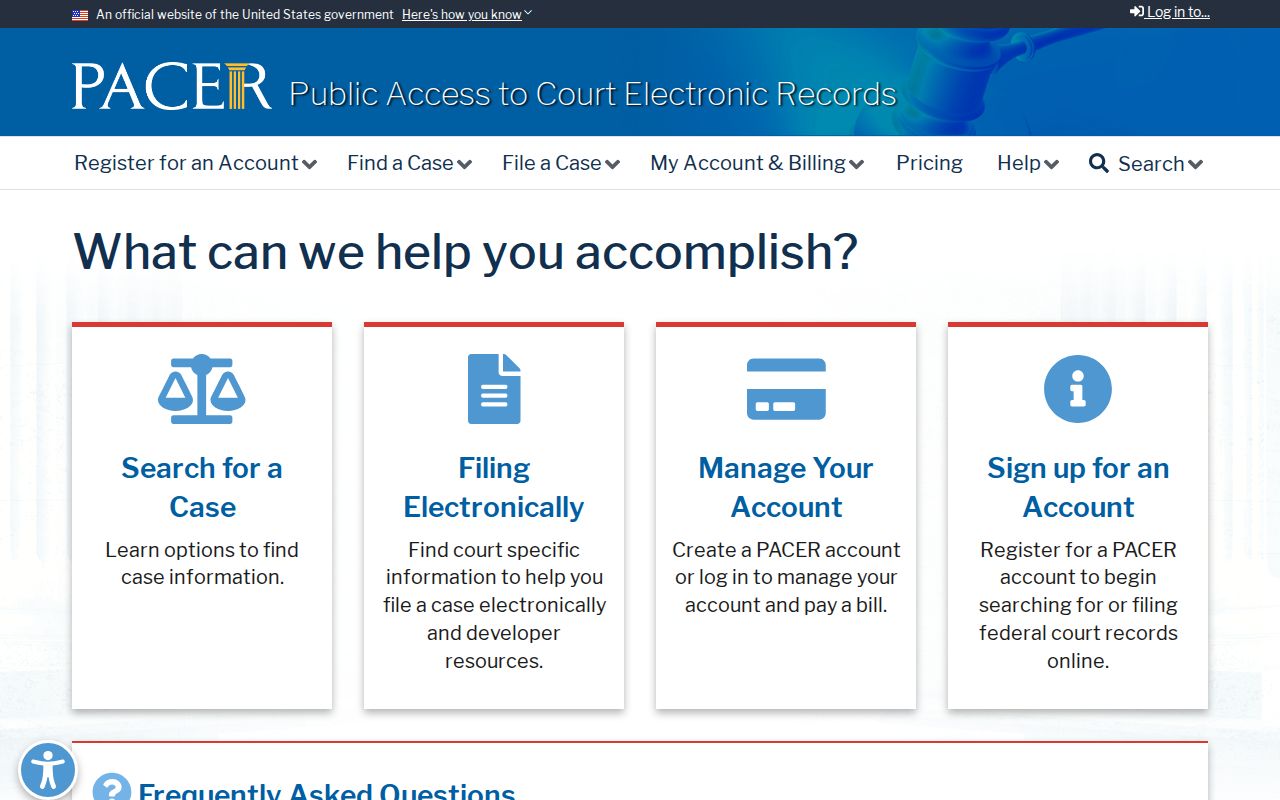
Keep federal dockets separate from San Mateo Superior Court results and record the court source with every match.
Vital Records and Authorized Foster City Certificates
Birth, death, marriage, and divorce records have different custodians and copy rules. San Mateo ACRE or California CDPH-VR can issue county or statewide products. Informational copies are generally available for birth, death, and nonconfidential marriage records, while identity-valid authorized copies are limited to people named by law or court order. Confidential marriage records are restricted to the parties or a court order under Family Code §511.
County applications ask for the record type, name or names, event date and place, parents where relevant, applicant contact information, relationship or eligibility, signature, and payment. Authorized mailed birth or death requests use a sworn statement acknowledged before a notary. The county says ordinary mail takes about two weeks. Current forms control fees and processing.
County fees inspected in the research list a $34 public birth copy, $26 death copy, $19 public marriage copy, and extra charges for some retrieval or certification services. State 2026 fees list $31 birth, $26 death, $19 marriage, $18 dissolution, $23 fetal death, and $28 stillbirth. VitalChek adds a $7 fee. Confirm the current county or CDPH form before ordering.
A resident lookup can use a certificate to confirm an event or family fact, but it must not use a restricted record as a shortcut around the access rule. Foster City began in the 1960s, so older family events may be indexed under San Mateo County or predecessor geography.
Foster City Heirs and Classmates
Specific personal goals need their own official channel. Probate petitions and notices may connect a deceased person to an executor, administrator, or heir. California adoption information is confidential, so a birth-parent search belongs with authorized CDSS or CDPH adoption-information and mutual-consent channels. Former classmates are better approached through yearbooks, school archives, alumni groups, newspapers, and library genealogy help.
San Mateo County Libraries lists HeritageHub obituary and death-notice coverage from 1704 to the present, with stronger depth from the mid-twentieth century. It also lists HeritageQuest census material and Ancestry Library Edition for use inside a library building. The Foster City Library can help identify the right database or regional directory shelf.
California's official custody and public-safety registries have narrow purposes. The county inmate locator, CDCR incarcerated-person locator, and Megan's Law registry should never be used to label a neighbor or infer a private life from a public result.
California Megan's Law information illustrates why a statutory registry needs its own warnings and use limits.
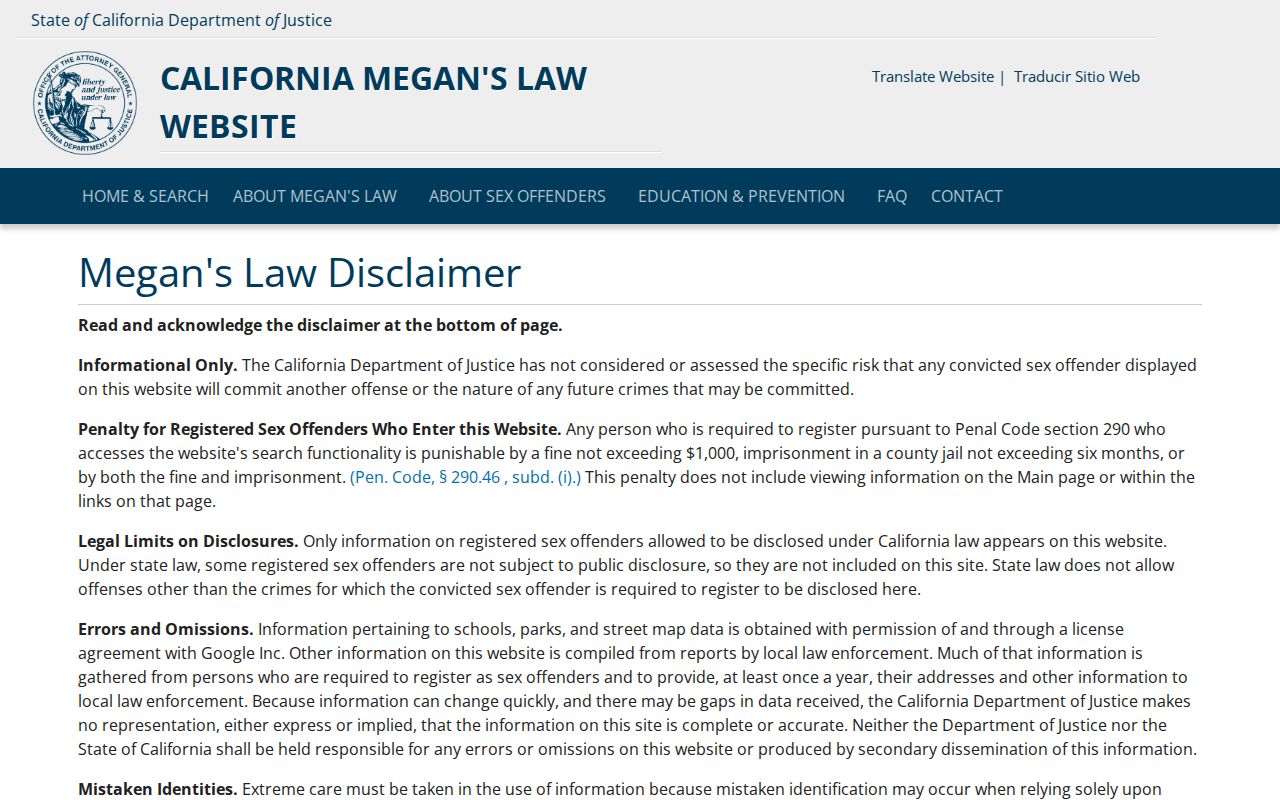
Use official wording and the source date, and stop when a legal restriction or a protected record applies.
Correct the Foster City Source Record
If a record is wrong, start with the custodian that created it. A deed correction belongs with the county Recorder. An assessment question belongs with the Assessor. A permit contact or chronology question belongs with Foster City Community Development. A court index problem belongs with the court clerk. A license or entity error belongs with the issuing board or Secretary of State. A compiled result cannot fix the official source.
California privacy rights include access, deletion, correction, and the right to opt out of sale or sharing for covered businesses under Civil Code §1798.100 and following. The California Delete Act's DROP channel went live in January 2026 for data-broker deletion requests. A commercial deletion request does not erase a deed, court file, permit, or other record the government must retain.
California data-broker guidance describes the public privacy route.
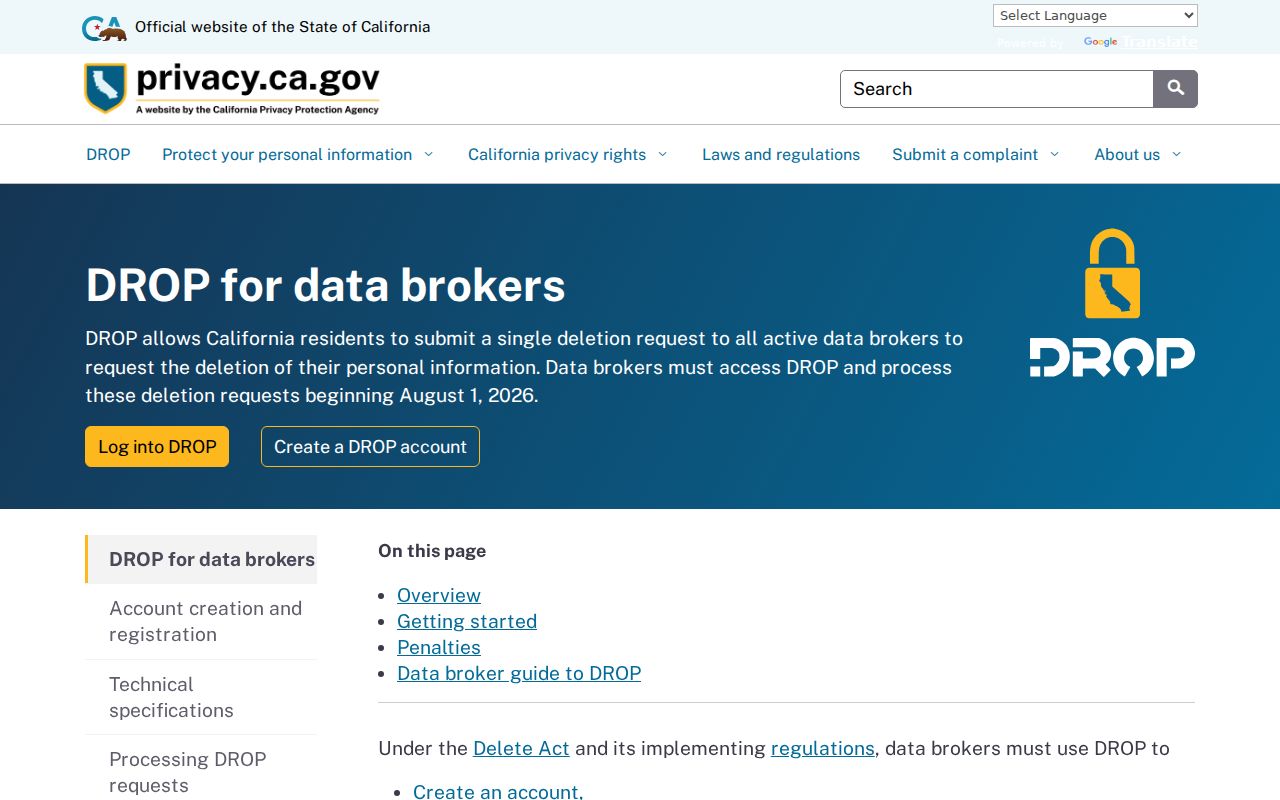
Save confirmation numbers and ask the originating custodian what correction or appeal process applies.
California Attorney General privacy guidance explains the state consumer-rights context.
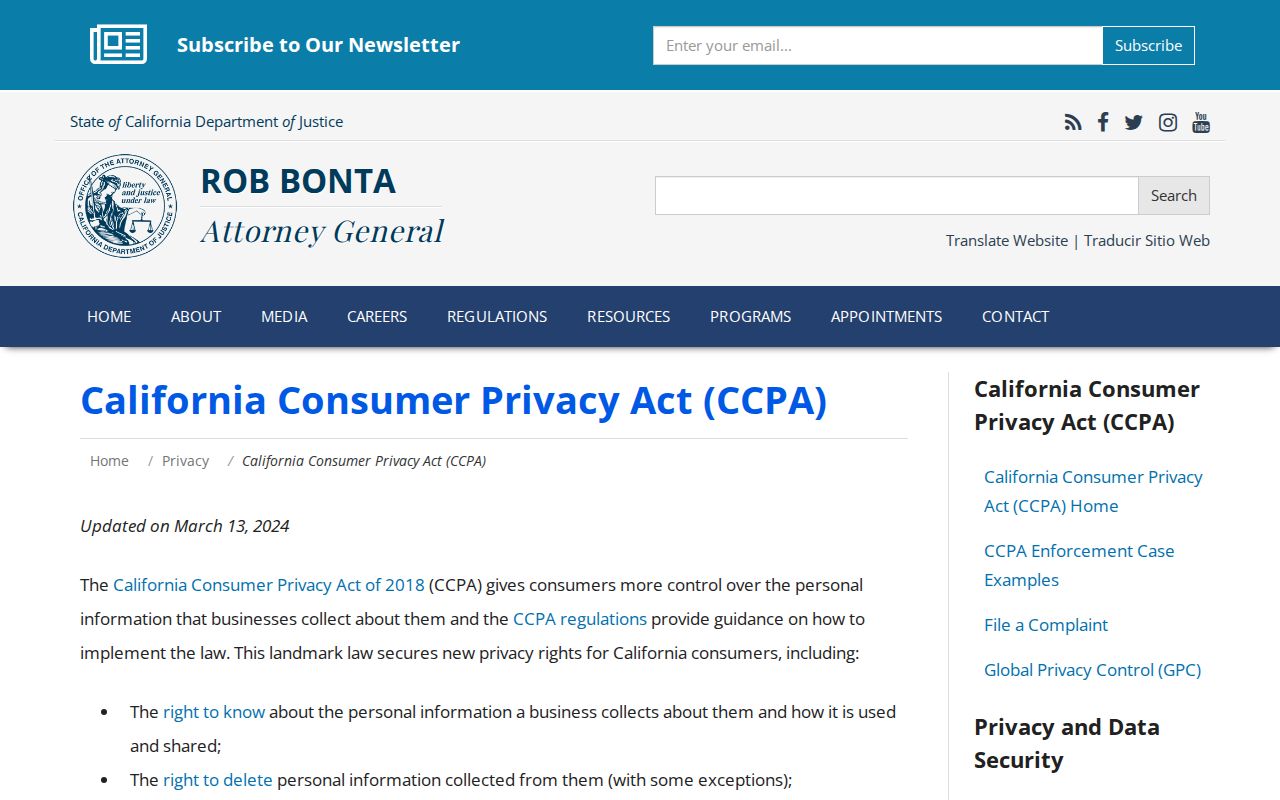
Privacy rights and public-record access can overlap, but they are not the same request.
Note: The safest correction request names the exact field, record number, date, and source rather than asking an office to make a broad identity judgment.
Foster City Resident Lookup Limits
California's Safe at Home program supplies a substitute mailing address and mail forwarding for qualifying survivors and specified public-facing workers. Protected home addresses, telephone numbers, images, and related APN information must not be reconstructed from another file. Voter identifiers and signatures are confidential. DMV information is restricted by the federal Driver's Privacy Protection Act and California law. Sealed and confidential court material stays outside a public resident lookup.
California Safe at Home guidance explains the confidentiality program.
The federal identity-theft recovery service is the right support path when a record problem involves identity theft rather than a local name match.
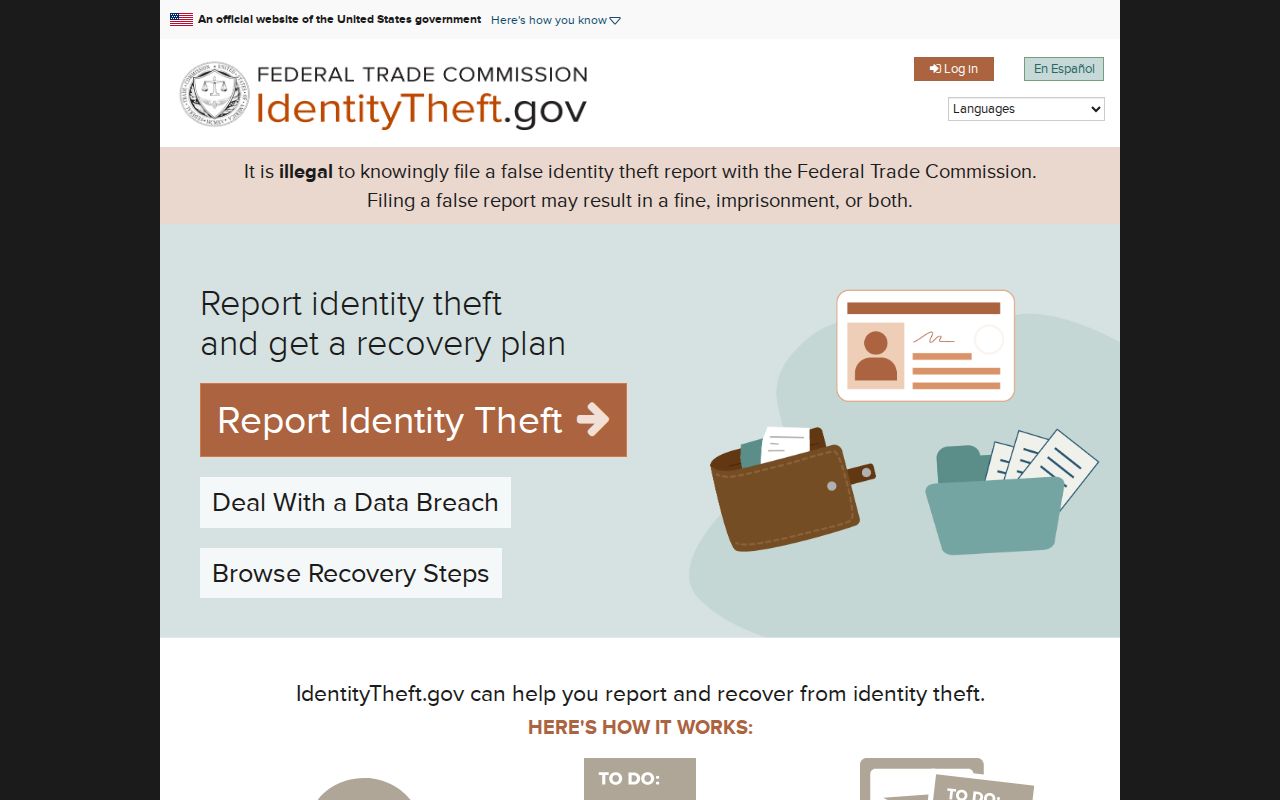
A protected record is a stopping point, and identity-theft recovery should use its own official support path rather than a local name search.
Public records are for lawful personal research, family history, reconnecting, civic knowledge, and safety awareness. California Penal Code §646.9 addresses stalking, and harassment, threats, and restraining-order laws can apply. Do not use a resident lookup to watch, threaten, intimidate, or harm anyone.
The FTC fraud-reporting service provides another official route for a suspected scam.
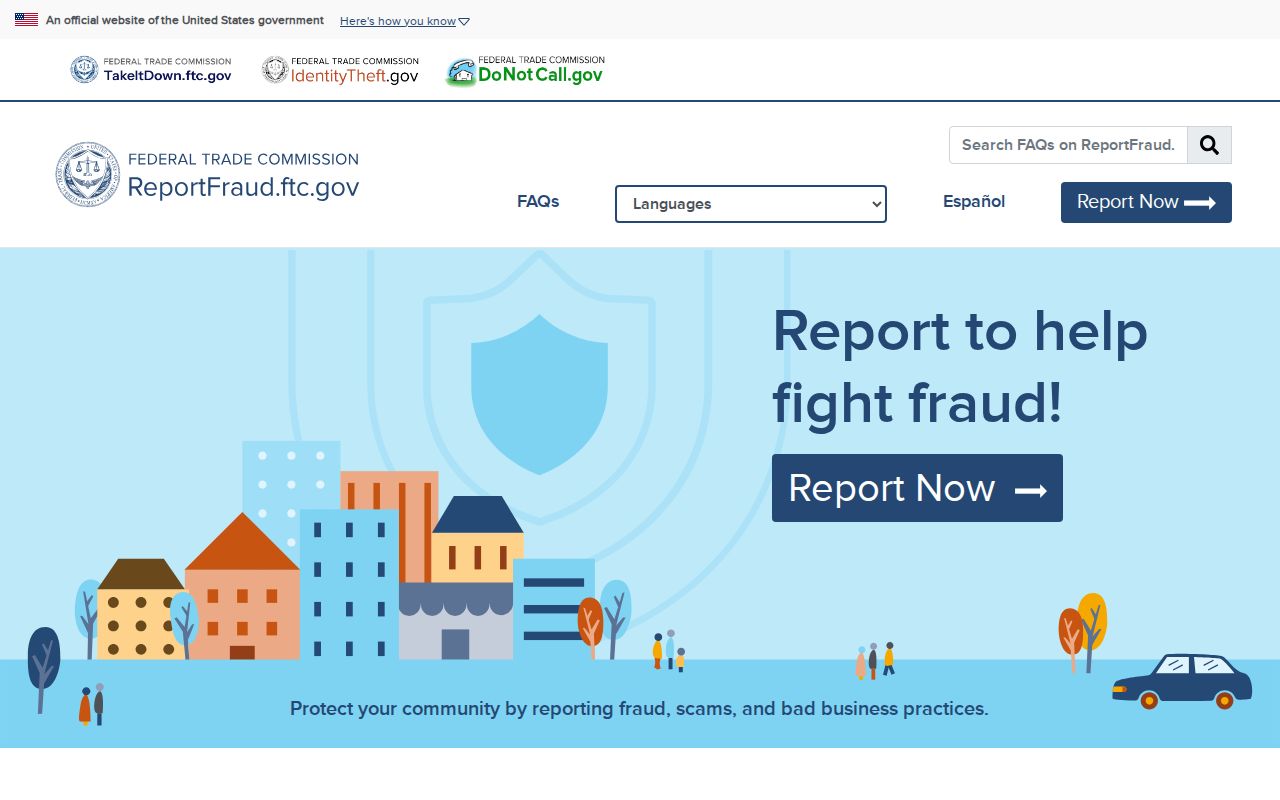
Use the originating record office for a factual correction and a law-enforcement or consumer-protection channel for harm or fraud.
The California Attorney General's consumer complaint form is the relevant state channel for a business complaint.
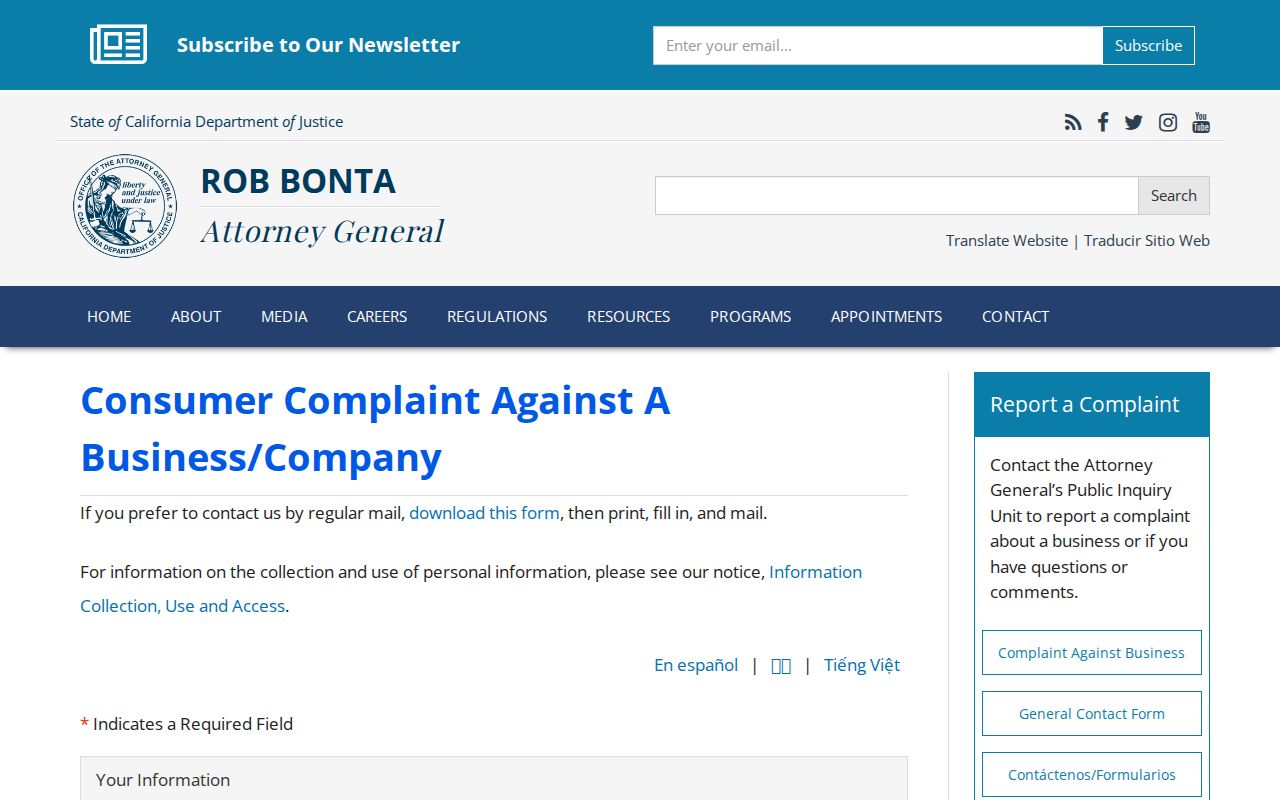
A state complaint route is separate from correcting an official deed, court, permit, or vital-record entry.
Lawful use. A resident lookup is a narrow research aid. Verify with the custodian, honor protected-address rules, and never use a public result to stalk, harass, threaten, or intimidate another person.